
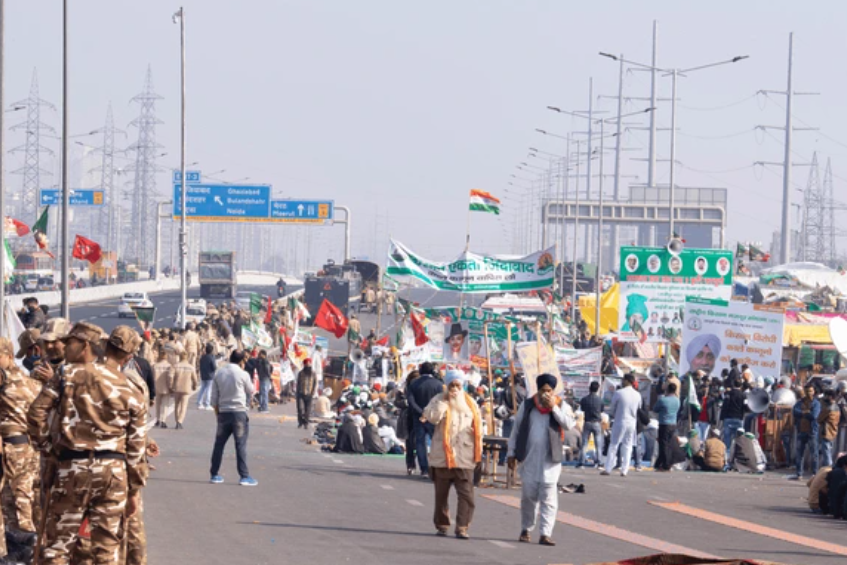
The resilience and unity of India’s farmers have been evident through their persistent protests over the years. Once again, the farmers are gearing up for a march, this time from Noida to Delhi, to voice their demands and highlight their concerns. This event underscores the ongoing challenges in India’s agrarian landscape and its intersection with urban life.
Background of the Protest
Farmers in India have long been vocal about issues ranging from minimum support prices (MSP) to land acquisition policies, agricultural subsidies, and better irrigation facilities. The upcoming march builds on these longstanding demands. Farmers argue that promises made during previous negotiations, including those in the aftermath of the repeal of controversial farm laws, remain unfulfilled.
Key Issues at Stake
- Guaranteed MSP: Farmers continue to demand legislation ensuring MSP for their crops, arguing it will secure their livelihoods amid fluctuating market prices.
- Debt Relief: Mounting debts have been a significant cause of distress, leading to a worrying number of suicides among the farming community.
- Climate and Water Scarcity: The availability of water and sustainable farming practices are becoming increasingly critical due to climate change.
- Urban Expansion: The protest also seeks to address the adverse effects of urban sprawl on farmland near cities like Delhi.
Impact on Delhi
Delhi, being the political epicenter, often becomes the focal point for such demonstrations. The march from Noida to Delhi is expected to impact the following areas:
- Traffic and Commuting: With thousands of protesters marching, major routes might see disruptions, causing inconvenience to daily commuters.
- Security Deployment: Authorities have already hinted at the need for heightened security along the route and at protest sites.
- Public Awareness: These marches often reignite debates on agrarian issues, pushing them into the mainstream media and public consciousness.
Voices of the Protesters
The march is not just a demonstration but a platform for farmers to narrate their stories. Many are expected to bring symbolic representations of their struggles, including photographs of barren lands, broken irrigation systems, or unpaid loans, to illustrate the urgency of their plight.
Government’s Response
While the government has introduced several initiatives aimed at modernizing agriculture, farmers argue these measures are inadequate or inaccessible for small-scale farmers. Discussions between farmer unions and authorities are anticipated during or after the march, but skepticism about their outcomes remains high given past experiences.
Live Update
The Supreme Court on Monday dismissed a plea seeking directions to the Centre, and others to clear leaguers on public and state roadways in Punjab where growers from Kisan Mazdoor Morcha and SKM groups have been carrying demurrers. The apex court said that the matter is formerly pending before court, and it can not entertain repetitious desires on same issue.
Meanwhile, after the Dilli Chalo march was suspended on Sunday following tear gas shelling, the protesting growers will decide on the coming course of action on Monday. After the growers started the bottom march a day before, they were halted by the multilayered blocking erected by the Haryana Police. Following this, tear gas shells were lofted and water cannons were aimed towards the growers to disperse them, injuring five protestors. As numerous as 101 growers from Kisan Mazdoor Morcha and SKM groups are among the protesters.
Conclusion
The upcoming farmer protest from Noida to Delhi is a stark reminder of the pressing issues within India’s agrarian economy. As urban dwellers witness the march, it provides an opportunity to reflect on the interconnectedness of rural and urban life. The outcome of this march could influence not just policies but also public attitudes towards farmers’ rights and sustainability.
Call to Action
As the march unfolds, citizens, policymakers, and stakeholders must pay heed to the voices of the farmers. Supporting their cause, whether through active participation, spreading awareness, or holding the government accountable, is crucial for fostering a balanced and equitable society.
The Indian Express: Why Uttar Pradesh’s farmers are protesting with a march to Delhi
Also read: